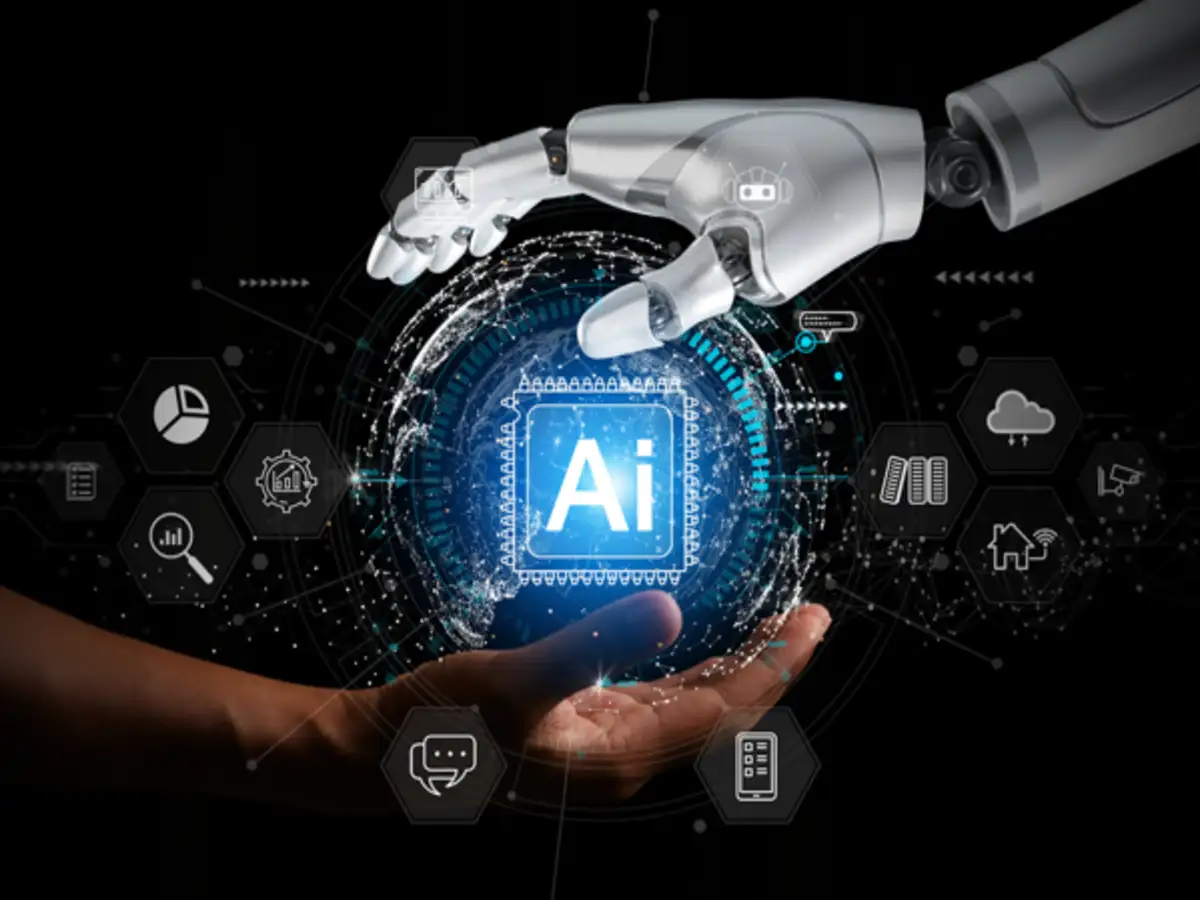
Physical AI & Robotics: Bridging the Digital and Physical Worlds
"The next frontier of innovation is no longer confined to screens and software. Physical AI and robotics are transforming how machines interact with the real world—bringing intelligence into motion. From humanoid robots to smart infrastructure, we are entering an era where AI doesn’t just think, but also acts."
1. Physical AI is Expanding Rapidly
Physical AI is growing at an unprecedented pace, driven by advancements in sensors, machine learning, and real-time data processing. Unlike traditional AI systems that operate in digital environments, physical AI enables machines to interact directly with their surroundings.
Robots can now navigate complex spaces, recognize objects, and perform tasks with increasing accuracy. This rapid expansion is revolutionizing industries by improving efficiency, reducing human error, and enabling automation in environments that were once difficult to manage.
2. Humanoid Robots are Transforming Industries
Humanoid robots are becoming a significant part of logistics and healthcare. These robots are designed to mimic human actions, making them suitable for tasks that require flexibility and adaptability.
In warehouses, robots can sort, lift, and transport goods efficiently. In healthcare, they assist with patient care, medication delivery, and monitoring. Their ability to work continuously without fatigue makes them valuable assets in high-demand environments, improving both productivity and service quality.
3. Smart Infrastructure is Redefining Cities
Physical AI is also reshaping infrastructure by making it intelligent and responsive. Bridges, roads, and power grids are now equipped with AI-powered sensors that monitor performance and detect potential issues in real time.
This allows for predictive maintenance, reducing the risk of failures and enhancing safety. Smart infrastructure not only improves efficiency but also supports sustainable urban development by optimizing energy usage and resource management.
4. Autonomous Systems are Changing Real-World Operations
Autonomous systems are a key component of physical AI, enabling machines to operate independently in dynamic environments. From self-driving vehicles to delivery robots and agricultural drones, these systems can perform tasks without constant human supervision.
They rely on continuous data input and advanced algorithms to make decisions in real time. This capability is transforming industries such as transportation, logistics, and agriculture by increasing speed, accuracy, and scalability.
5. Challenges in Real-World AI Deployment
Despite its potential, physical AI faces several challenges. Real-world environments are unpredictable, making it difficult for machines to adapt perfectly in every situation. Safety concerns, high development costs, and ethical considerations also play a significant role in its adoption.
Ensuring reliability and building trust in these systems are critical steps toward widespread implementation. Organizations must balance innovation with responsibility to fully harness the benefits of physical AI.
6. Conclusion: Intelligence in Motion
Physical AI and robotics represent a major shift in how technology interacts with the world. Instead of being limited to digital spaces, AI is now embedded in machines that can move, adapt, and respond to real-world conditions.
The future lies not in replacing humans but in enhancing human capabilities through intelligent machines. As physical AI continues to evolve, it will drive innovation across industries, creating smarter systems, safer environments, and more efficient ways of working